Gluten Free Ramen
Introduction
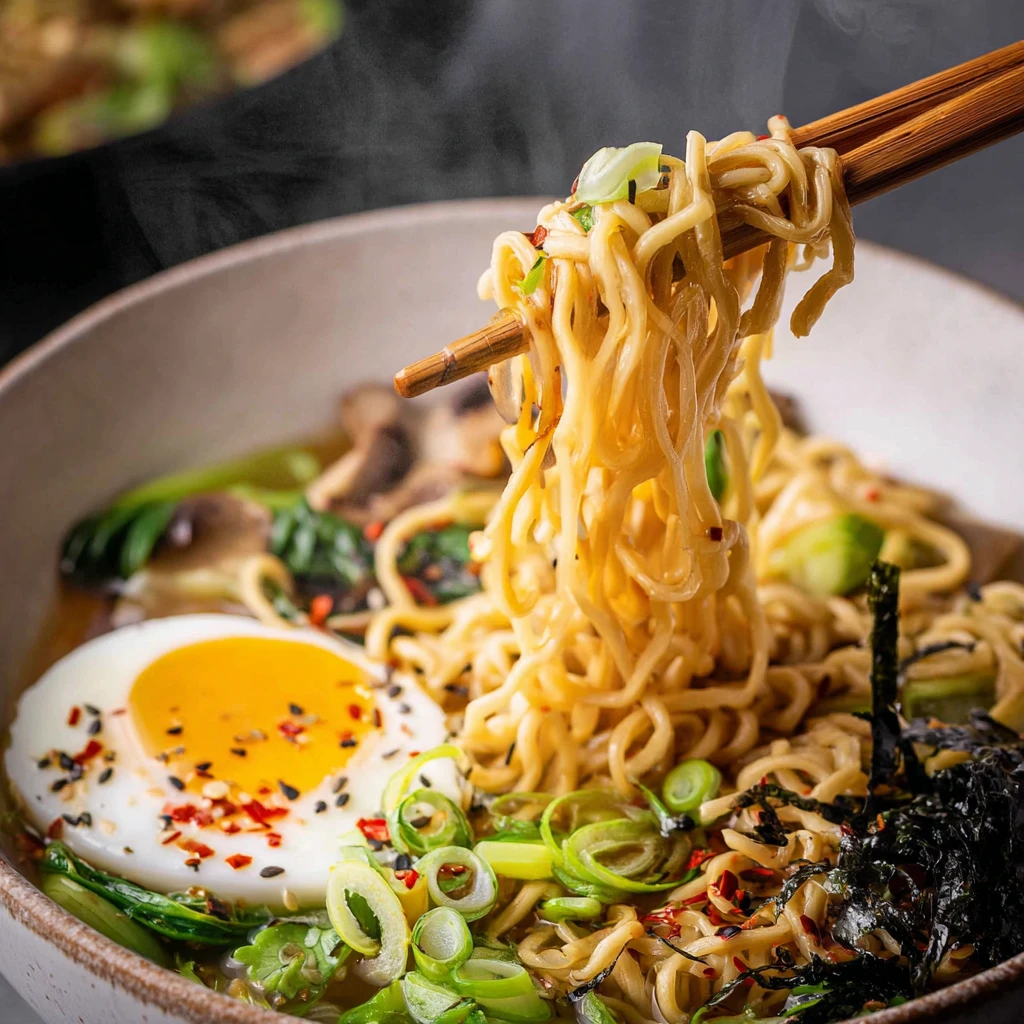
Imagine a steaming bowl of flavorful noodles, rich broth, and an array of toppings waiting to tantalize your taste buds. That’s the magic of Gluten-Free Ramen, a dish that brings together the comforting flavors of traditional ramen with a gluten-free twist. Whether you have dietary restrictions or simply want to explore new culinary horizons, this recipe is a must-try.
Gluten-Free Ramen is not just any ordinary noodle soup; it’s a culinary experience that promises warmth, comfort, and a burst of umami flavors in every spoonful. What makes this recipe special is its ability to cater to individuals with gluten sensitivities without compromising on taste or texture. Now, you can enjoy a bowl of steaming ramen without any worries.
With roots in Japanese cuisine, ramen holds a special place in food culture worldwide. It’s a dish that has evolved over the years, adapting to different palates and dietary needs. By exploring the world of Gluten-Free Ramen, you’re not only embarking on a flavorful journey but also paying homage to a beloved culinary tradition.
Join us as we dive into the intricate world of Gluten-Free Ramen, where every slurp brings you closer to culinary bliss.
Why You’ll Love This Recipe
Gluten-Free Ramen is more than just a meal; it’s a delightful combination of flavors and textures that will leave you craving for more. Here’s why you’ll fall in love with this recipe:
First and foremost, this recipe is entirely gluten-free, making it suitable for individuals with gluten intolerances or celiac disease. You can indulge in a bowl of steaming ramen without any worries about gluten contamination.
Additionally, Gluten-Free Ramen is highly customizable, allowing you to tailor the dish to your preferences. From choosing your favorite protein to loading up on veggies, you have the freedom to create a bowl of ramen that suits your taste buds perfectly.
Furthermore, this recipe is a breeze to prepare, ensuring that you can whip up a comforting bowl of ramen in no time. Whether you’re a seasoned home cook or a novice in the kitchen, this recipe is accessible to all levels of expertise.
Lastly, Gluten-Free Ramen offers a healthier alternative to traditional ramen dishes. By using gluten-free noodles and fresh, wholesome ingredients, you can enjoy a nourishing meal that doesn’t compromise on flavor.
Ingredients
Before you embark on your Gluten-Free Ramen culinary adventure, let’s take a look at the key ingredients you’ll need:
1. Gluten-free ramen noodles 2. Chicken or vegetable broth 3. Protein of your choice (such as chicken, tofu, or shrimp) 4. Assorted vegetables (such as mushrooms, spinach, and green onions) 5. Soy sauce or tamari 6. Sesame oil 7. Garlic and ginger 8. Optional toppings: soft-boiled egg, nori seaweed, sesame seeds
Feel free to customize the ingredients based on your preferences and dietary requirements. You can also explore different flavor variations by adding your favorite herbs and spices to the mix.
Step-by-Step Instructions
Now that you have gathered all your ingredients, let’s dive into the step-by-step instructions for preparing a delicious bowl of Gluten-Free Ramen:
1. Start by preparing your protein of choice. Whether you’re using chicken, tofu, or shrimp, cook it according to your preference and set it aside.
2. In a separate pot, heat a drizzle of sesame oil and sauté minced garlic and ginger until fragrant.
3. Add your assorted vegetables to the pot and cook them until they start to soften. Feel free to get creative with your vegetable choices to add more depth of flavor to your ramen.
4. Pour in the chicken or vegetable broth and bring the mixture to a simmer. Let the flavors meld together as the broth simmers gently.
5. Cook your gluten-free ramen noodles according to the package instructions. Once cooked, drain the noodles and divide them into serving bowls.
6. Ladle the hot broth and vegetable mixture over the noodles in each bowl. Top the ramen with your cooked protein and any additional toppings you desire.
7. Garnish your Gluten-Free Ramen with sliced green onions, a drizzle of soy sauce or tamari, and a sprinkle of sesame seeds. Serve hot and enjoy the comforting flavors of your homemade ramen.
Expert Tips for Success
For the best results when making Gluten-Free Ramen, consider the following expert tips:
– Use high-quality gluten-free ramen noodles to ensure a satisfying texture. – Experiment with different combinations of vegetables to add variety to your ramen. – Adjust the seasoning of your broth with soy sauce, salt, or spices to suit your taste preferences. – For a richer broth, you can simmer the broth with kombu seaweed or dried shiitake mushrooms to enhance the umami flavor.
Variations and Substitutions
There are endless possibilities for customizing your Gluten-Free Ramen recipe. Here are some creative variations and ingredient substitutions to inspire your culinary creativity:
– Swap the protein: Try using sliced pork, beef, or even tempeh as a protein option. – Add heat: Spice up your ramen with a dash of chili oil or sriracha for a fiery kick. – Make it vegan: Opt for vegetable broth and tofu as your protein choice to create a delicious vegan version of Gluten-Free Ramen. – Fresh herbs: Garnish your ramen with fresh cilantro, Thai basil, or mint for a burst of freshness.
Serving Suggestions
To elevate your Gluten-Free Ramen experience, consider the following serving suggestions:
– Pair your ramen with a side of pickled vegetables or kimchi for added crunch and tanginess. – Serve your ramen with a refreshing cucumber salad or a side of steamed edamame for a balanced meal. – Accompany your ramen with a cold glass of green tea or a fruity iced beverage for a refreshing contrast to the warm broth.
FAQs
Here are some common questions and answers about preparing Gluten-Free Ramen:
Q: Can I make the broth in advance?
A: Absolutely! You can prepare the broth ahead of time and store it in the refrigerator for up to 3 days. Just reheat it before serving.
Q: Can I freeze leftover ramen?
A: While it’s best to enjoy ramen fresh, you can freeze leftover portions in an airtight container for up to 1 month. Thaw and reheat gently before serving.
Q: How can I make my ramen more filling?
A: To make your ramen more filling, consider adding additional protein sources such as hard-boiled eggs, sliced chicken breast, or seared tofu.
Final Thoughts
As you take your last satisfying slurp of Gluten-Free Ramen, savor the harmonious blend of flavors and textures that make this dish truly exceptional. Whether you’re a seasoned ramen enthusiast or a newcomer to the world of noodle soups, this recipe offers a delightful culinary experience that is sure to become a favorite in your home.
So, gather your ingredients, set aside some time for culinary exploration, and embark on a journey of flavor, comfort, and creativity with Gluten-Free Ramen. Remember, the heartwarming bowl of noodles is more than just a meal—it’s a celebration of culinary diversity and the joy of sharing delicious food with loved ones.
Gluten Free Ramen
Experience the magic of Gluten-Free Ramen with its flavorful noodles, rich broth, and array of toppings. This dish offers warmth, comfort, and bursts of umami flavors in every spoonful, all while catering to individuals with gluten sensitivities without compromising taste or texture.
Ingredients
- Gluten-free ramen noodles
- Chicken or vegetable broth
- Protein of your choice (such as chicken, tofu, or shrimp)
- Assorted vegetables (such as mushrooms, spinach, and green onions)
- Soy sauce or tamari
- Sesame oil
- Garlic and ginger
- Optional toppings: soft-boiled egg, nori seaweed, sesame seeds
Directions
-
Start by preparing your protein of choice. Cook it according to your preference and set it aside.
-
In a pot, heat sesame oil and sauté minced garlic and ginger until fragrant.
-
Add assorted vegetables and cook until softened.
-
Pour in the broth, bring to a simmer, and let flavors meld.
-
Cook the gluten-free ramen noodles, drain, and divide into serving bowls.
-
Ladle the hot broth and vegetables over the noodles in each bowl.
-
Top with cooked protein and desired toppings.
-
Garnish with sliced green onions, soy sauce or tamari, and sesame seeds. Serve hot and enjoy.