Sourdough Bread
Introduction
Sourdough bread is a timeless classic that has been enjoyed for centuries. The process of making sourdough bread involves natural fermentation, giving it a distinct tangy flavor and unique texture. Whether you are a seasoned baker or a novice in the kitchen, mastering the art of sourdough bread baking can be a rewarding experience. In this article, we will delve into the world of sourdough bread, exploring its history, ingredients, and step-by-step instructions to help you create your own delicious loaf.
Why You’ll Love Sourdough Bread
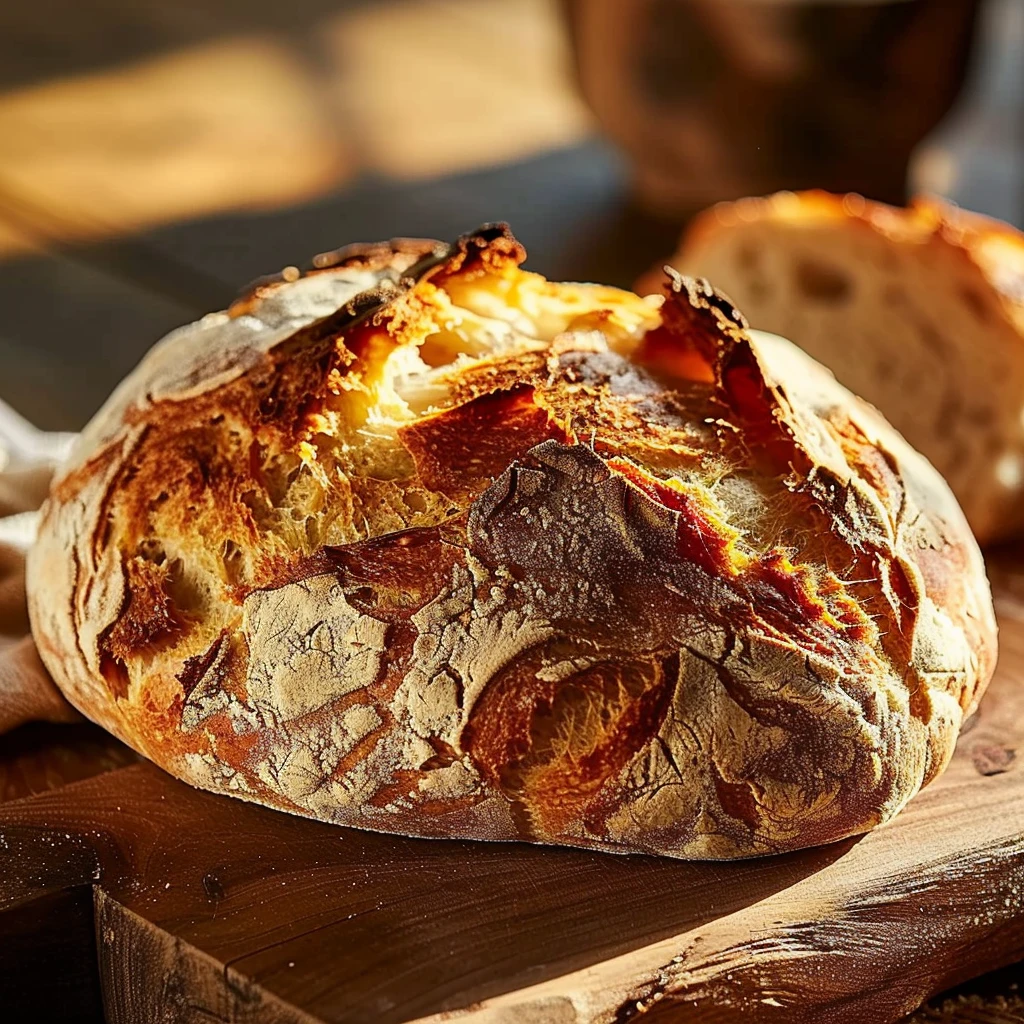
What sets sourdough bread apart is its rich flavor profile and chewy texture. The slow fermentation process not only enhances the taste but also makes it easier to digest compared to commercial yeasted bread. Additionally, sourdough bread is known for its crispy crust and airy crumb, making it a favorite among bread enthusiasts. For those with gluten sensitivities, sourdough bread can be a more digestible option due to the fermentation process breaking down gluten proteins.
Whether you enjoy it fresh out of the oven with a pat of butter or use it for sandwiches and toast, sourdough bread offers a versatile and delicious option for any meal.
Ingredients
To make a basic sourdough bread, you will need the following ingredients:
– Strong bread flour
– Water
– Sourdough starter
– Salt
Optional ingredients for variations include seeds, nuts, dried fruits, or herbs to add flavor and texture to your bread.
When selecting ingredients, opt for high-quality flour and filtered water to ensure the best results. Your sourdough starter should be active and bubbly, indicating a healthy fermentation process. Experiment with different types of flour to create unique flavors and textures in your bread.
Step-by-Step Instructions
1. Prepare your sourdough starter by feeding it with flour and water until it is active and bubbly.
2. In a large mixing bowl, combine the flour, water, and sourdough starter to form a shaggy dough.
3. Add salt and continue to knead the dough until it becomes smooth and elastic.
4. Allow the dough to ferment and rise, folding it at regular intervals to develop gluten.
5. Shape the dough into a loaf and place it in a proofing basket to rise.
6. Preheat your oven and bake the sourdough bread until golden brown and crusty.
7. Cool the bread on a wire rack before slicing and enjoying.
Expert Tips for Success
– Maintain a consistent feeding schedule for your sourdough starter to keep it healthy and active.
– Use a Dutch oven or steam the oven to create a crispy crust on your bread.
– Experiment with different hydration levels and fermentation times to customize the flavor and texture of your sourdough bread.
– Practice patience and consistency in your baking process to achieve consistent results with your sourdough loaves.
Variations and Substitutions
There are endless possibilities for customizing your sourdough bread to suit your taste preferences. You can incorporate ingredients like olives, cheese, herbs, or even chocolate to create savory or sweet variations. For those with dietary restrictions, you can explore gluten-free flours or alternative grains to make sourdough bread that fits your needs.
Serving Suggestions
For a simple and satisfying meal, serve slices of freshly baked sourdough bread with a drizzle of olive oil and a sprinkle of flaky sea salt. Pair it with a selection of cheeses, cured meats, and fresh fruits for a rustic and flavorful charcuterie board. Toast leftover slices and top them with avocado, poached eggs, or your favorite spreads for a quick and nutritious breakfast or snack.
FAQs
Q: How long does it take to make sourdough bread?
A: The process of making sourdough bread can take anywhere from 12 to 36 hours, depending on the fermentation and proofing times.
Q: Can I freeze sourdough bread?
A: Yes, sourdough bread freezes well. Wrap it tightly in plastic wrap or foil before freezing to maintain freshness.
Final Thoughts
Mastering the art of sourdough bread baking requires practice, patience, and a willingness to experiment. By understanding the science behind fermentation and dough development, you can create flavorful loaves that will impress your family and friends. So roll up your sleeves, dust off your apron, and embark on a sourdough bread baking adventure that will elevate your culinary skills and bring joy to your kitchen.
Sourdough Bread
Learn how to make a timeless classic sourdough bread with a distinct tangy flavor and chewy texture. Master the art of sourdough bread baking with this step-by-step guide.
Ingredients
- Strong bread flour
- Water
- Sourdough starter
- Salt
Directions
-
Prepare your sourdough starter by feeding it with flour and water until it is active and bubbly.
-
In a large mixing bowl, combine the flour, water, and sourdough starter to form a shaggy dough.
-
Add salt and continue to knead the dough until it becomes smooth and elastic.
-
Allow the dough to ferment and rise, folding it at regular intervals to develop gluten.
-
Shape the dough into a loaf and place it in a proofing basket to rise.
-
Preheat your oven and bake the sourdough bread until golden brown and crusty.
-
Cool the bread on a wire rack before slicing and enjoying.